
AI has changed what online visibility means. Your potential customer is not someone searching on Google. They are also looking for answers on AI tools. Besides, as you search for something, the answer comes from an AI overview. The question is what it means to be in AI overviews and show up in AI mode.
Many SEOs treat these two qualities as the same; however, they function and drive traffic differently. Here’s the difference, what it implies for your job, and what you can do about it.
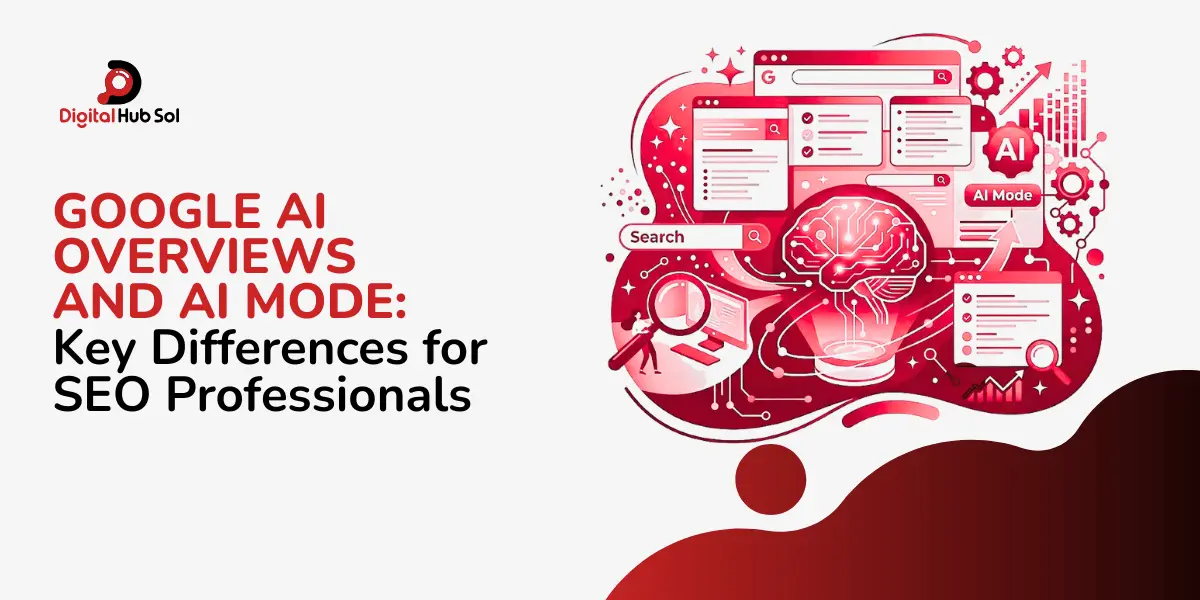
What is the Difference Between Google AI Overviews and AI Mode?
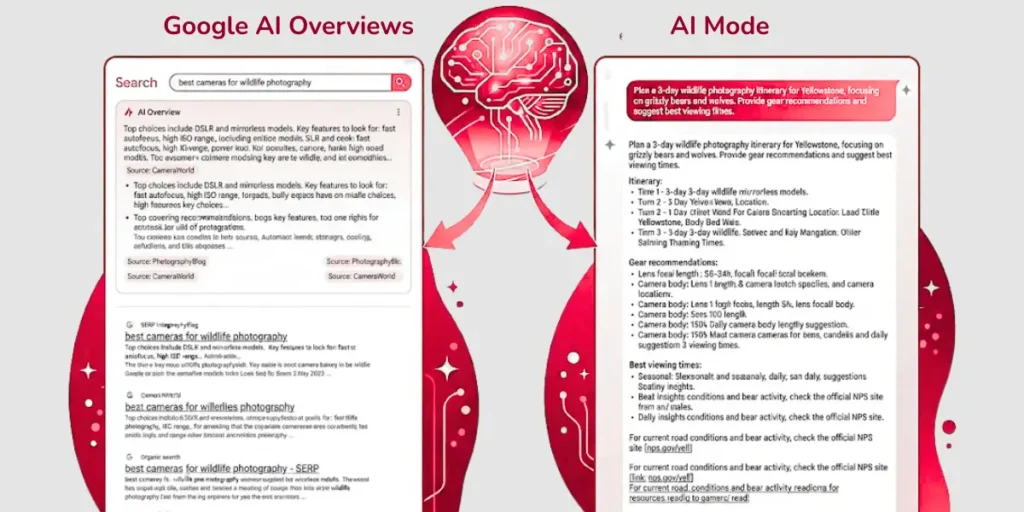
Sometimes, AI Overviews show up automatically on the regular results page, mixed with the standard links.
AI Mode is a separate conversational space that a person decides to open and use for follow-up questions.
- Note: AI Overviews are automatic; AI Mode is a user choice.
- Structure: The AI Overviews sit above the ten blue links, and AI Mode does not have a traditional list of results.
- Query Type: AI Overviews are for informational, fact-finding queries; AI Mode is for complex, multi-step ones.
- Depth: One study said AI Mode answers are about four times longer.
How do Google AI Overviews and AI Mode impact SEO?
Google AI Overviews vs AI Mode shifts SEO from chasing clicks on “ten blue links” to earning citations, brand mentions, and visibility in synthesized AI answers.
Both features answer questions directly or via multi-step conversational searches, which can often lead to a drop in organic CTR (especially on informational queries), even with increased impressions.
The 3 most important things:
- Citations do not transfer: In one analysis, the two shared only 13.7% of the URLs they cited, although the answers were similar in meaning. Cited in one, one does not tell you much about the other.
- Questions are decomposed: In AI Mode, a query is broken down into sub-questions. So, instead of a single primary keyword, brands are competing to provide the best answer for a cluster of sub-questions.
- Fundamentals still determine eligibility: There is no separate index to submit. It reads from regular search. If a page can’t rank or be indexed, it has little chance of being cited.
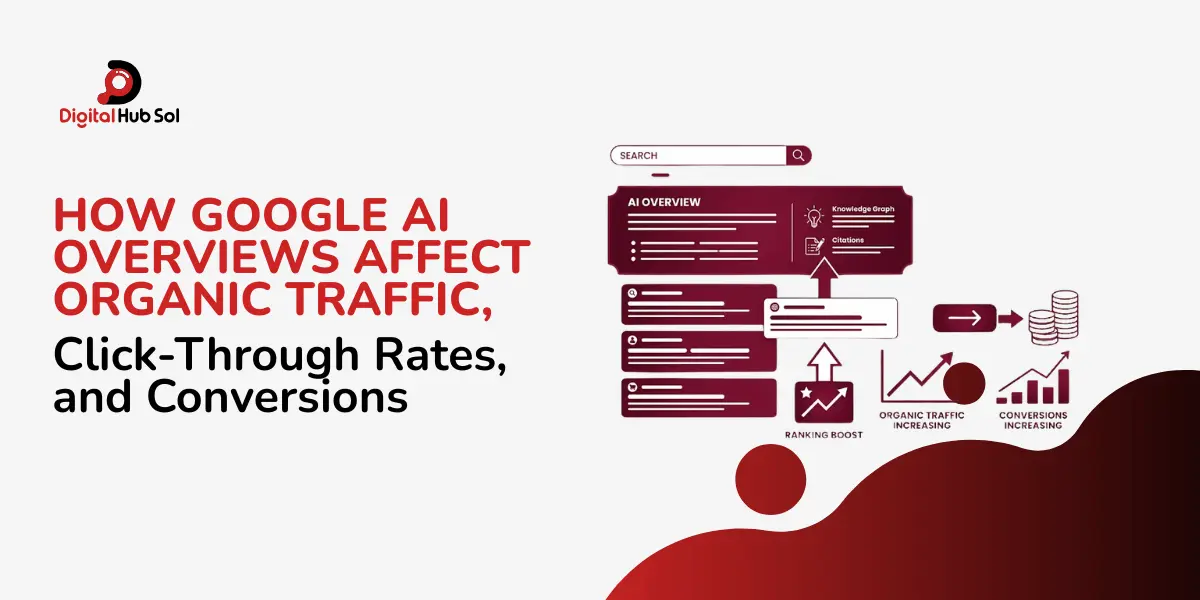
Google AI Overviews and Organic Traffic: How AI is Affecting It?
Google AI Overviews can reduce organic traffic by answering users’ questions directly on the search results page, potentially reducing the need to click through to websites.
Expect fewer clicks for queries that are fully answered by a summary, and smaller effects on organic traffic for queries where people still need to compare, buy, or verify. Reported effects vary widely by industry, so don’t put too much stock in one headline figure.
Group your pages by intent (definitions, comparisons, transactional) and look at impressions vs. clicks over time. Falling clicks with steady impressions is an answer being given on the results page, not a ranking loss.
AI Mode vs AI Overviews for SEO
Optimize each overview in a different way.
For overviews:
- Start each section with a direct, self-contained answer of 40–60 words.
- Use clear headings phrased the way people ask questions.
- Include original and well-researched data or firsthand experience.
For the conversational tab:
- Cover the follow-up questions by understanding what your buyer will ask next. It could be pricing, alternatives, limitations, and local details.
- Align your schema markup with what visitors can actually see on the page.
- Make it easy to identify your brand, authors, and services across your website and other sources.
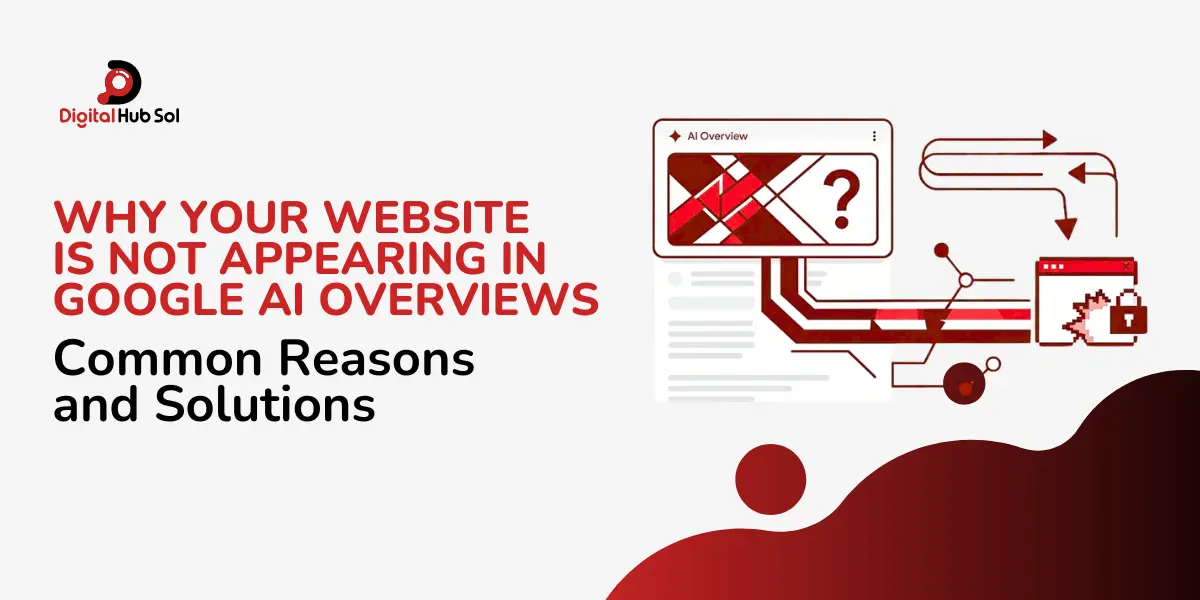
Why is My Website Not appearing in Google AI Overviews
You need to check a few things in order:
- Indexing: Is the page indexed and able to show a snippet? A nosnippet directive may prevent it from appearing.
- Query Fit: Many searches don’t trigger an overview at all, so not appearing doesn’t necessarily mean you did anything wrong.
- Answer Quality: Is the answer too far down from the introduction?
- Trust: Does the page show you expertise with an author’s name and reliable sources?
- Competition: Are others already answering sub-questions in a better way?
GEO, SEO, and AEO: How Each Works for SEO Professionals?
Generative Engine Optimization, Generative AI search engine optimization, and answer engine optimization sound like separate entities. However, SEO professionals understand that they are built on the same foundation.
GEO, SEO, and AEO all depend on content that is actually helpful, trustworthy, and easy for Google to crawl. The shift is about the measurements through citations, mentions, and brand visibility. So, ranking is no longer king; authority, expertise, and mentions are.
This is a practical reality of AI SEO in 2026. The baseline is SEO, but weak content has no place to hide.
Choosing the Right Help
Finding SEO services in the UAE is easy, as hundreds of companies make big promises. However, choosing the right SEO company requires more than comparing services and pricing. If you’re looking for the best SEO company in the UAE, it’s important to ask a few key questions before making your decision:
- How do you track citations, mentions in AI answers, along with rankings?
- Can you create content in both languages, Arabic and English?
- Will you share real reports?
Be careful with lists claiming to name the best seo agency. Many are written by the companies they feature. Good seo experts are upfront about trade-offs and don’t promise specific placements. Strong search engine optimization services bring technical fixes, content, and measurement together.
Final Thoughts
Think of AI Mode as a channel in its own right, with its own opportunities to capture visibility and earn. At the same time, keep your SEO fundamentals strong: make sure your content delivers clear answers in overviews and is ready to address follow-up questions in the conversational tab.
Digital Hub Sol helps UAE businesses navigate this shift with Generative AI search engine optimization strategies designed to build both traditional rankings and visibility in AI-driven search.
Frequently Asked Questions
Google AI Overviews provide AI-generated summaries within regular search results, while AI Mode offers a separate conversational search experience. Both help users find information differently.
Yes, both can reduce organic clicks by answering queries directly within Google’s AI experiences. However, their impact varies depending on search intent and industry.
SEO professionals should focus on helpful content, clear answers, technical SEO, and topical authority. Building brand credibility and covering related questions can improve visibility.